


Gas safety in the Kitchen
Know more about natural gas in your kitchen!

|
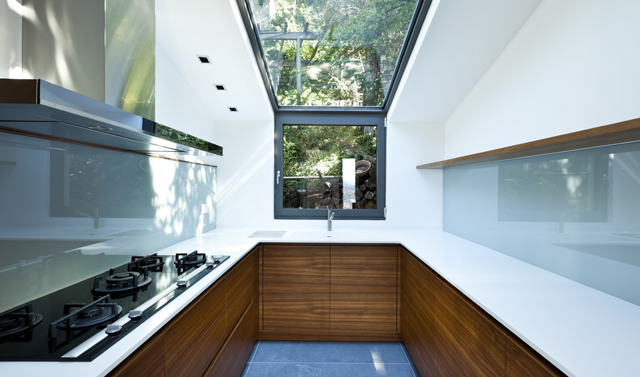
The gas infrastructure is one of the essential elements for the modern day life.
Gas is used mainly as a means of heating for either the kitchen, the water systems or the house itself.
Even though there are electrical solutions for these uses, gas still prevails as the prefered solution for most consumers for it's simplicity of assembly, it's high yield and competitive pricing.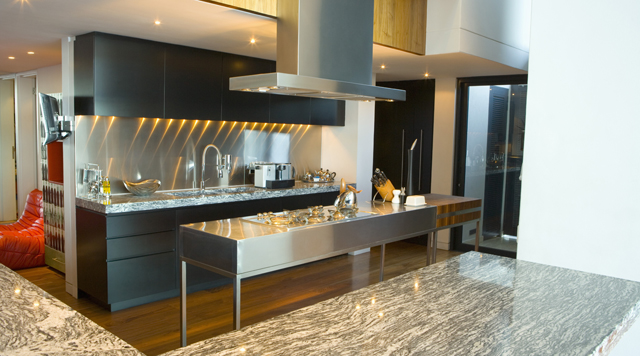
Although one must keep in mind that these kinds of systems need to have a good evacuation of the combustible elements and a good air supply for the combustion itself.
To consider the evacuation process, one must take care of the way in which exterior air feeds into the kitchen, the division where the heater and kitchen exaust are located.
Some decades ago, window isolation wasn't as effective which made the outside air seep into kitchens and guarenteed the needed air rennovation for the gas appliances.
Nowadays on the other hand, this process has become more complex, requiring forced ventilation or increased safety precautions in gas exaustion appliances. A modern kitchen needs a grid of some sort to ensure the passage of the exterior air needed for these processes.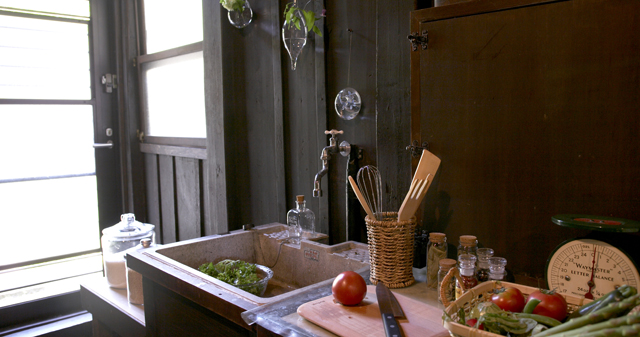
With this we can avoid the harmful process in which carbon monoxide is created in the house, a highly toxic gas that develops in heaters.
The process starts when a heater and a kitchen exaust share a common air channel in a kitchen with low air rennovation properties. The high potency of the air exaust pulls in the kitchen air into the channel, but the lack of natural air in the kitchen creates an issue in which the non-recycled air comes down instead of rising, slowing the air in gas appliances.
This slowed, non-rennovated air creates a chemical process in which the heater burns with low oxigen, creating the circumstances for the creation of the hazardous carbon monoxide.
One of the solutions for this fenomenon is the aplication of active coal filters. Another is the use of seperated air channels for different gas-fed machines, albeit only being applied in rare cases.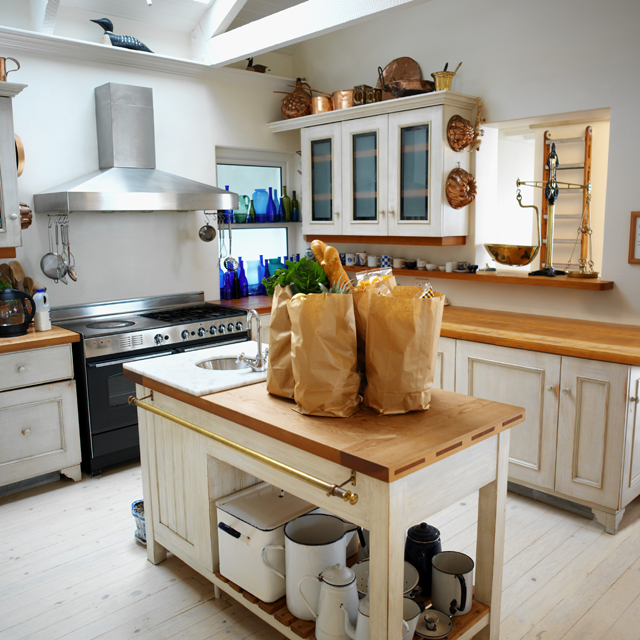
This fenomenon, among others, conditions the relative position between gas appliances. There is a safety distance that must be guarenteed between heaters and other gas appliances of 40 centimeters. Also important is the minimum inclination of 5 degrees for horizontal gas channels above the heater, to ensure it's exaustion.
Besides the distances and the inclination, the height of the device must be 70 centimeters above the gas stove or 65 if it's electrical.
In regards to the gas pipes, these must all be horizontal or vertical, with valves in each joint. Each device must also have it's own safety valve.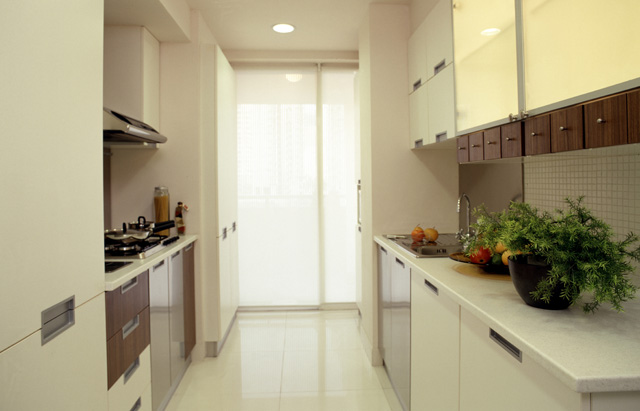
Even though all these characteristics are assured by the responsible technicians, and even if they do not supply gas to homes they have not reviewed to confirm them, it's always important to know how these systems work to plan out our dream kitchen!