



Solar Energy
Advantages and Disadvantages

|
At a time when the consumption of energy resources and pollution become major worries in our society, the use of renewable energy is becoming the most sustainable solution.
Solar energy presents various advantages to those who are looking for clean and economical energy, for it is currently one of the best options on the market for home or business environments.
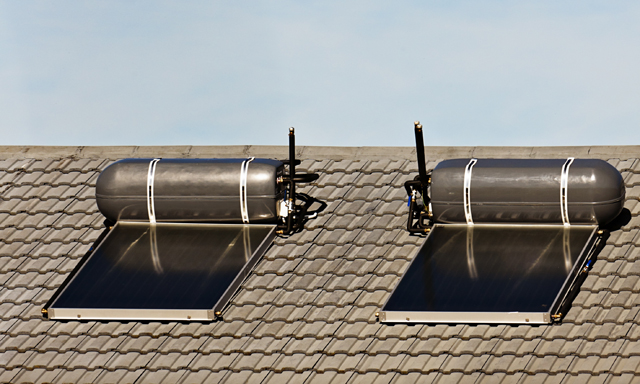
Solar energy may be used for warming up water, through thermic solar receptors, or for the production of electricity, through photovoltaic solar panels.
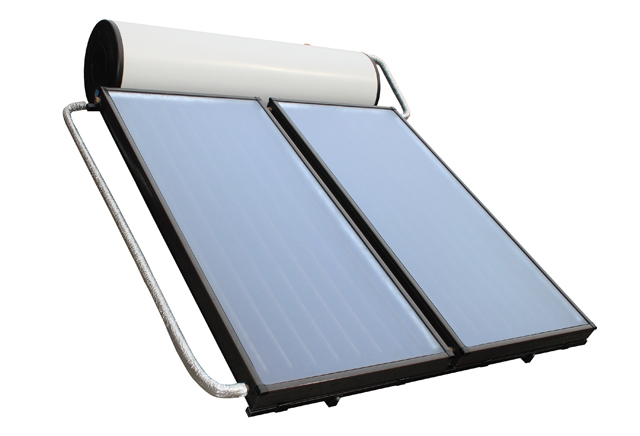
Thermic solar receptors capture the sunlight in such a way that it heats up the water stored in a deposit, allowing for 60% to 80% of a household’s needs for hot water to be met. The heated water can also be used for environmental heating through central heating systems or radiant flooring, both functioning by means of hot water circuits.
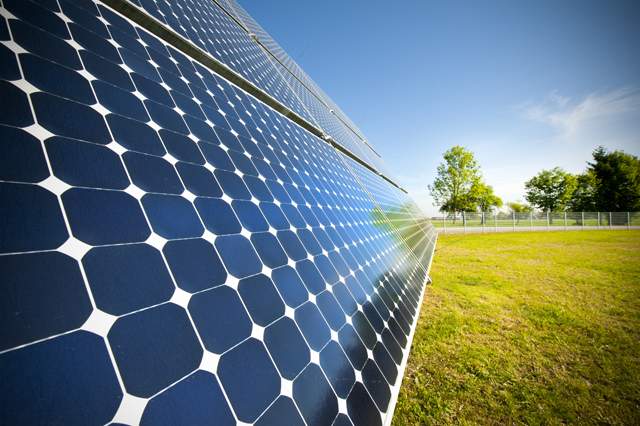
The photovoltaic solar panels convert the energy produced during solar exposure into electric energy, which can be utilized or stored to suppress night-time needs. The captured energy from the photovoltaic cell is classified as direct, despite the generated electrical energy needs to be converted to light energy or mechanical energy, for example, in order to be used.
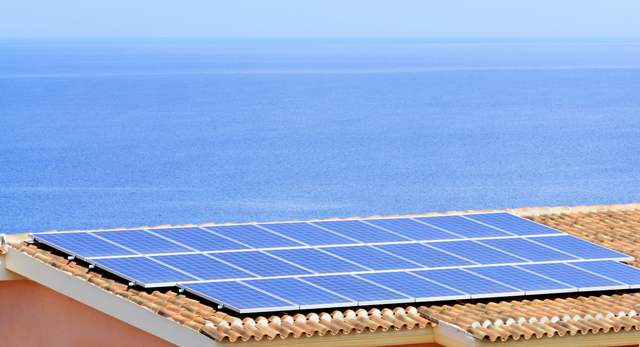
Nowadays solar panels present a high reliability technology, associated with low cost performance and maintenance. However, the initial financial investment is still quite high and the return derived from energy conversion relatively low.
As in many countries of the world, since April 2008 in Portugal it is possible for an individual to produce and sell electrical power to electrical companies, provided that produced from renewable sources. Currently, a system of photovoltaic micro generation covering an area of approximately 90m2 could allow a comeback of more than 3000 euros per year.
Know the main advantages and disadvantages of using solar energy:
Advantages
- During the process of use and storage, solar energy produces no pollution of any kind for the environment
- Solar panels are increasingly more powerful while tend to decrease their cost, making solar energy a solution ever more economically viable
- These systems are easy to install and require low maintenance investment
- Due to a large popularity of this type of renewable energy, the costs associated with the necessary systems are diminishing, and there can be reimbursement from state governments and associated companies, reducing costs for consumers and becoming more viable and economical
- Once its energy source is the sun, this system can be used all over the world, obviously existing some privileged regions with greater sun exposure
- Solar energy is excellent in remote places or difficult to access, since its installation in small scale doesn’t require massive investment in transmission lines
- The use of solar energy helps to reduce the consumption of other energy sources, particularly in places far from production centres and thus reducing energy losses resulting from its transmission
Disadvantages
- The production of a solar panel consumes a huge amount of energy that may overcome the energy generated by it
- The cost of solar panels and collectors are still high compared to other energy sources
- The variations in the amount of energy produced, according to the weather conditions or time of day (overnight there is no production) requires storage for the produced energy in areas where solar panels are not connected to other energy transmission means
- Locations in middle and high latitudes have scarce energy production capacity, particularly during winter months
- The current storage procedures of solar energy are less efficient when compared, for example, to fossil fuels (coal, oil and gas), hydropower and biomass