


Vintage Style
Upcycle old furniture

|
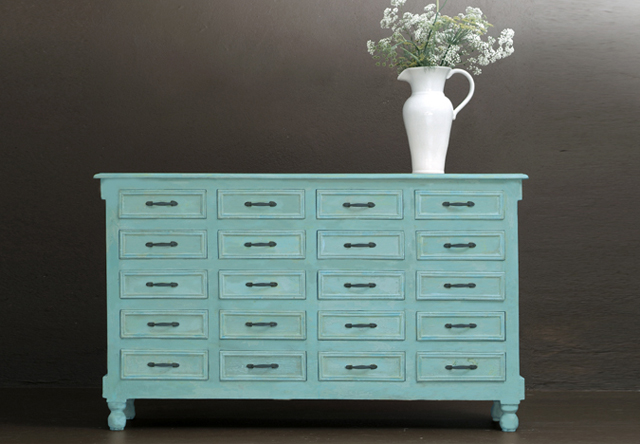
Old furniture has a special charm. Vintage style is becoming more and more a trend in decor, highlighting antique furniture with an updated look, adding a touch of originality in classic environments or contrasting in more contemporary, environments, providing a unique and distinctive character to any space.
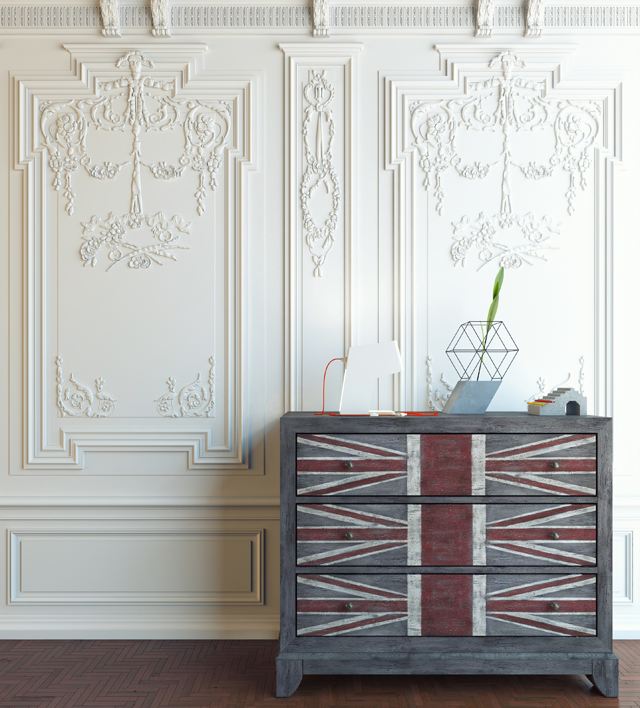
But upcycle is far more than simply restore. Upcycling is all about giving new life and new usage to old or outdated pieces, applying new colors, new finishes, adding new details and accessories.
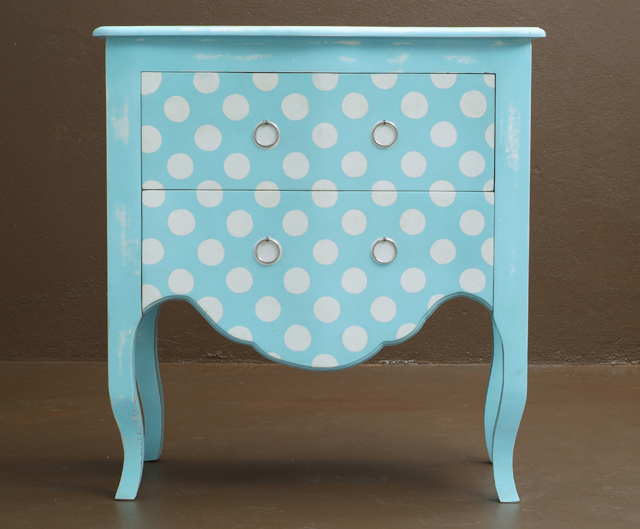
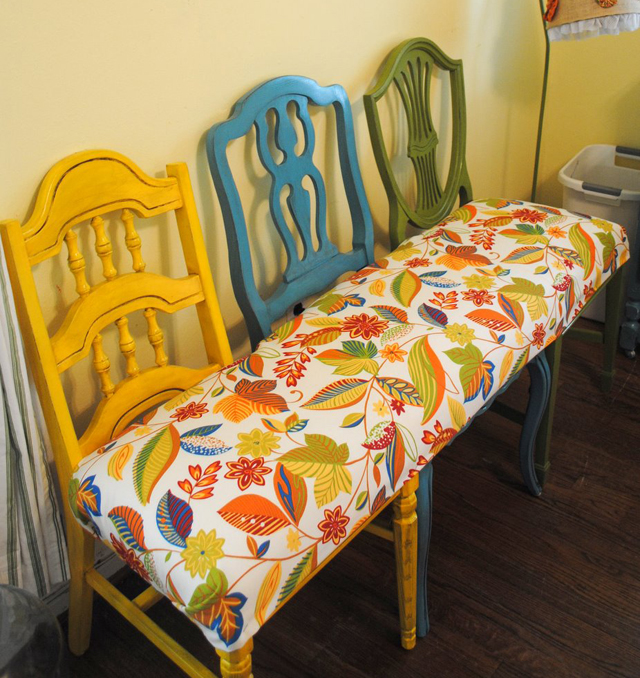
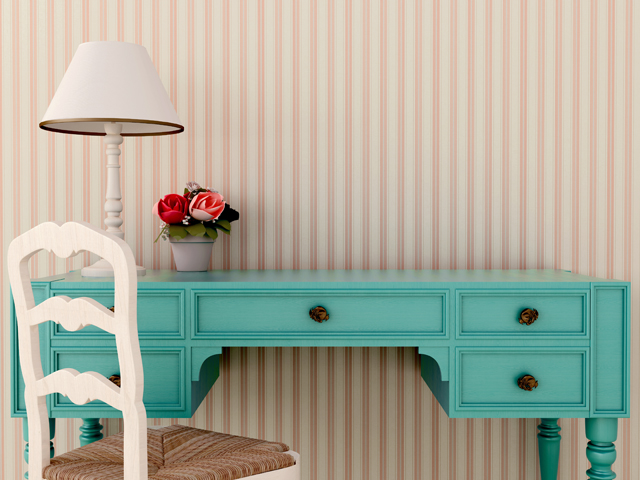
(image via Kindall's Creations)
If you have an old or outdated piece of furniture, in poor condition, or simply that no longer fits your purposes, the solution is to upcycle it. Besides avoiding spending money on new furniture, you get a unique and customized piece, full of history, character, style and originality.
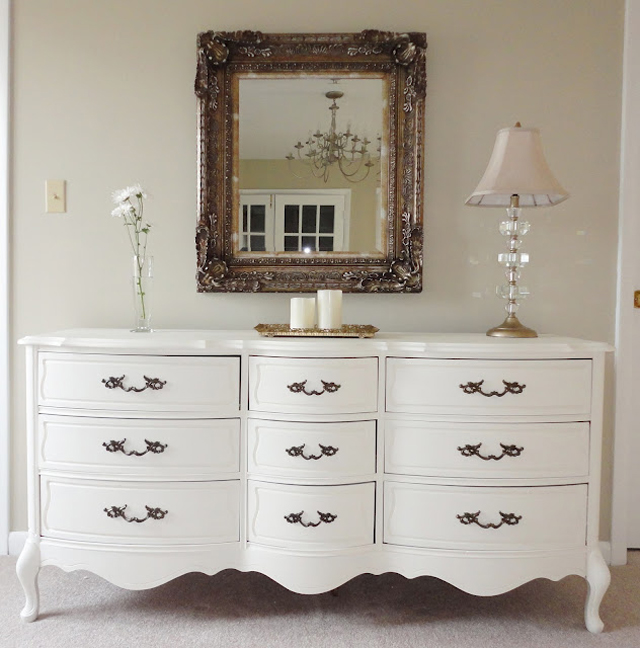
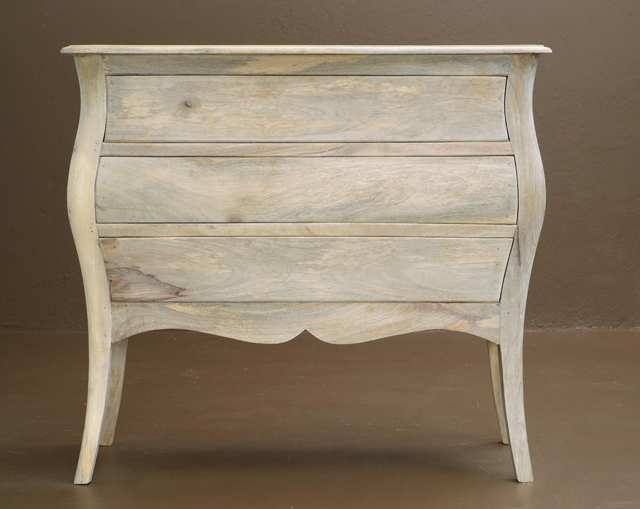
(image via LiveLoveDIY)
#1 Preparation
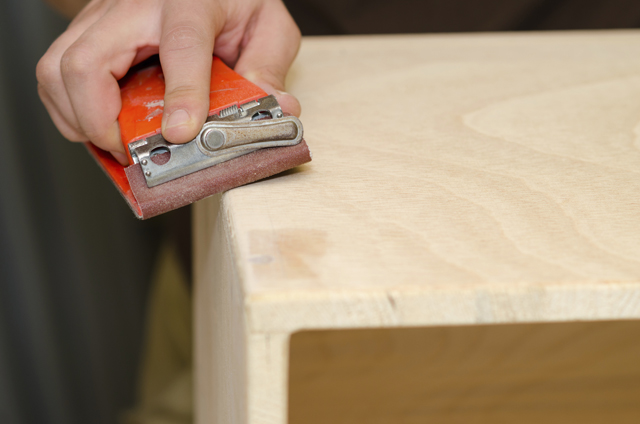
Begin by removing all existing fittings, such as handles or hinges, so you can remove the old finish, by stripping the entire surface of your piece of furniture. Specific products should be used for this purpose, according to the type of finish applied. Then scrape it with a spatula, and finally sand the entire surface, always towards of wood grain, first with coarse sandpaper and then with fine sandpaper until it is completely smooth. Do not forget to use protective goggles and gloves to protect your hands.
#2 Repair
The next step is repair any faults or defects of the furniture.
Surface slits can be repaired by applying a wood retoucher. If there are any deep fissures, you can apply wood paste using a spatula to fill the existing crack, let it dry and sand again until the entire surface is smooth and even. Choose wood paste with similar color to the surface you need to repair.
If the furniture has been affected by woodworms, apply a fungicide or an anti-woodworm product and wait 24 hours before applying with any type of finish.
#3 Finish
Before painting, waxing or varnishing the furniture, it is best to pass once again a fine sandpaper over the entire surface, preferably manually, and always towards wood grain. This process is essential to obtain a paint lacquered effect. Next, pass a damp sponge to remove dust and dilate wood pores.
To apply a painted finish, you should start by applying an aqueous primer for wood, let dry and then paint according to the manufacturer's instructions. For a lacquered effect use soft rollers and brushes.
You can apply a wood stain to hide any spots or to give a different shade or darken the furniture’s surface.
For a varnish finish, first fill wood pores, wait 12 hours, sand again and clean the surface thoroughly before applying the first coat of varnish. The remaining coatings should be applied 3 to 6 hours later.
For a waxed finish, apply first a coat of diluted varnish, let dry and then sand and wipe evenly before applying the wax with a cotton cloth. After 24 hours, brush the entire surface and polish it with a chamois cloth to obtain a gloss finish.