


Feng Shui Living Rooms
Tips for creating harmonious spaces

|
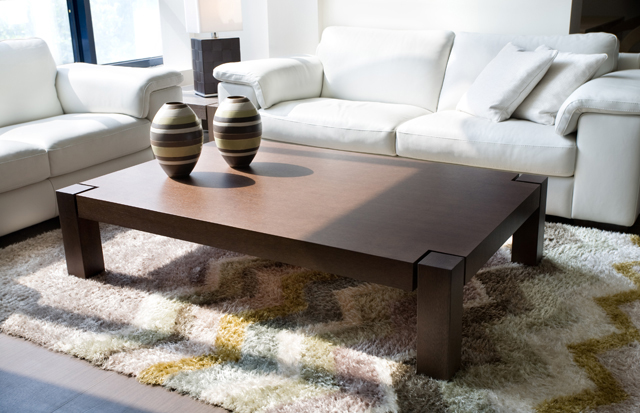
The living room is a meeting space for family living, probably functioning as a room that comprises various activities. Is the place where you receive guests and organize parties, on the other hand is the space for resting after a tiring day of work or for reading a book, watch TV or listen to music.
Living rooms should be cosy and colour scheme should contribute to this purpose. The proportion of the room is also important. The chi energy is likely to stagnate in rooms overly filled with furniture. If your living room is too small, try to expand it by connecting it to an adjacent space.
In some homes, especially in apartments, the living room includes a dining area and / or a studio area. Don’t forget that now there’s a “new” need for a computer / internet area which has to be considered because it’s inadvisable in bedrooms.
Rooms must be airy and catch as much natural light as possible.
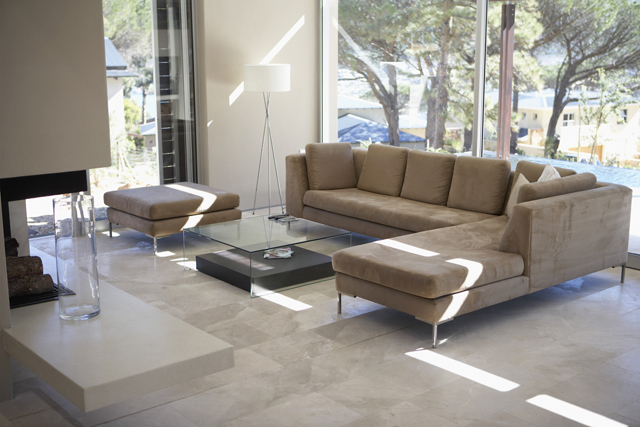
Sunlight enhances chi energy and stimulates energy flow throughout a room. The ideal locations are facing Southeast, South, Southwest and West. The Southeast is bright and energetic, the South is preferable for organizing parties, the Southwest is ideal for creating a comfortable and calm atmosphere and the West is good for entertaining guests.
Decoration for favorable locations:
Southeast - decorate with wood pieces, green or blue shades.
South - use soft shades of purple or red in cushions or carpets.
Southwest - ideal for family living, use earth colours, yellow or brown.
West - decorate with shades of rust red and pink, with touches of grey.
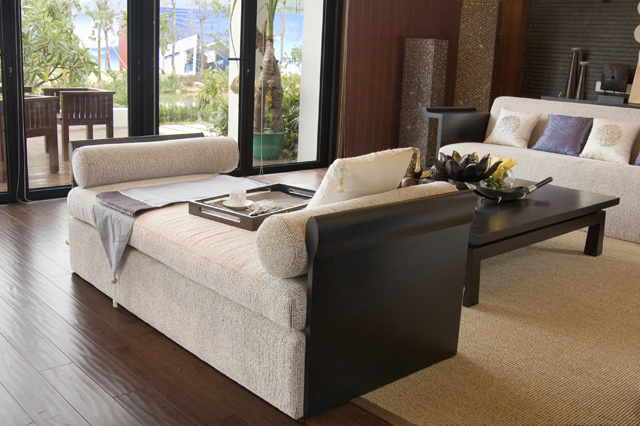
Decoration for unfavorable locations:
North and Northeast are more unfavorable locations for a living room, for being too calm or too cold. East and West are better, although east might become an overly stimulating atmosphere and west too formal. The disadvantages can be smoothed through a careful choice of decor and furnishings.
North - stimulate the environment and use some bright shades of red or brown and pieces of metal and glass.
Northeast - decorate with matt textures, carpets, pastel colours.
Northwest - stimulate "serious" energy using yellow and brown shades, and add metal items (copper or steel).
East - "calm down" ascending chi energy using pastel and green shades.
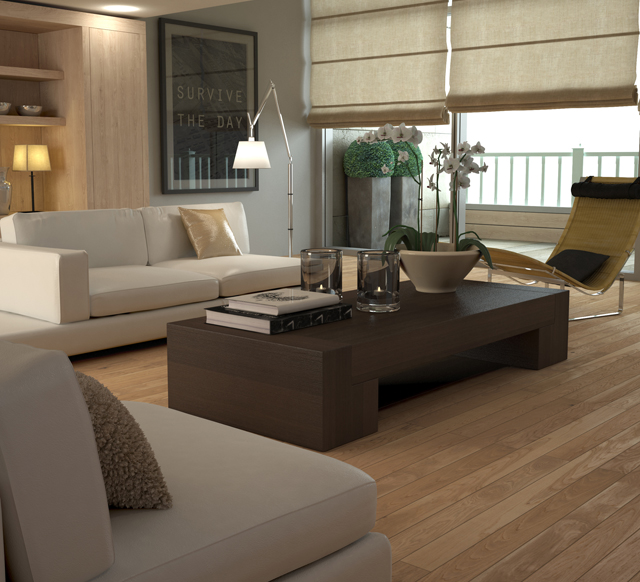
A few tips to balance and harmonize living room environments:
Furniture: living rooms are yin spaces and furniture should be placed in order to encourage sociability and family harmony. To encourage relaxation choose soft and rounded seats (more yin). If possible, sofas and chairs should not be backwards the door, preferably they should be against a wall. If not possible, place a sideboard or a bookcase behind them to create stability. Furniture must be in harmony with the size and shape of the room.
Lighting: a variety of light is needed, especially if the room is used for different purposes. A stronger light is recommended for family activities and children's games, but additionally must be used soft lighting as well.
Television sets: The disposing of the furniture in the room should avoid that the TV is not the centre. When the TV becomes the focal point instead of a nice fireplace, family will tend to neglect conversation and communication.
Plants: the adverse effects of electrical equipment are minimized by the presence of natural plants. Avoid spiky plants (palms and yuccas) which produce cutting chi. In small rooms rounded leaved shrubby plants are quite appropriate.
Curtains: fabrics help to slow down chi energy, but the curtains should not be too closed to avoid the risk of stagnation.
Floor covering: wood produces tree energy and usually guarantees a harmonious flow of chi energy across the room. A carpet in the sofa area can increase the feeling of comfort.
Decoration: the living room reflects the personality its residents, so it is interesting to display some books, records, pictures from family and friends, revealing their memories and interests.
Pictures and decorative objects must be cheerful and pleasant and reflect harmonious themes.
The decoration can be more comfortable (more yin) or more minimalist (more yang).
If your job is busy, your living room shall reflect a desire for a quiet "safe haven". People who live alone should, however, make the room reflect their desire for companionship and remove all images of individual content - such as pictures representing an isolated figure.
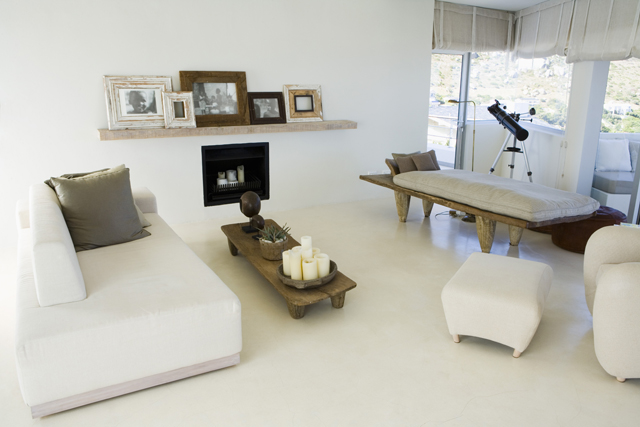
Avoid: a cluttered living room with excess of decorative objects and large pieces of furniture, heavy fabric curtains, full ashtrays, outdated magazines and newspapers.