


How to save 180 liters of water a day?
12 daily simple steps

|
Water is a precious asset, indispensable for the survival of all living creatures. Water saving is increasingly necessary for the environment, and it is urgent to adopt sustainable management of this resource so everyone can enjoy it for a long time.
At a time when economic crisis is affecting all classes of our society, in addition to environmental factors, we must also consider economic factors, and avoid unnecessary waste of water.
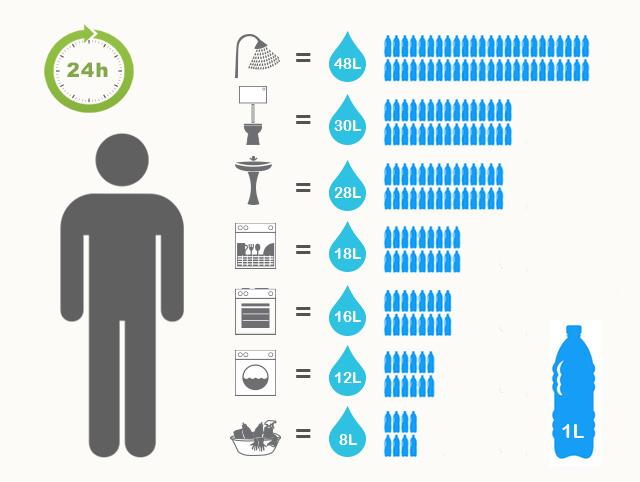
In Portugal, the consumption of water supplied by public system per capita * in 2009 was 61.1 m3 /inhabitant, which corresponds to an average daily consumption over 160 liters of water per capita.
* Sources/Entities: INAG/MAMAOT–INE via PORDATA
Overconsumption of water is recurrent, often without we realize it, but the truth is that there are so many ways for saving water at home, some of them quite simple and very effective.
By following only a few of these steps, changing some habits and setting more efficient devices on taps, showers and toilets, you will be able to reduce your water consumption in nearly 30%, the equivalent of more than 180 liters a day in a household comprising 4 people:
#1. Avoid leaving the water running while you are not using it,while brushing your teeth or shaving for example, avoiding wasting water. The flow rate may range 11 to 19 liters per minute. With this small gesture you can save between 10 and 30 liters of water in each usage.
#2. Take a shower instead of a bath. A 5 minutes shower takes between 30 to 80 liters of water, a considerable saving compared to a bath which can consume nearly 200 liters of water.
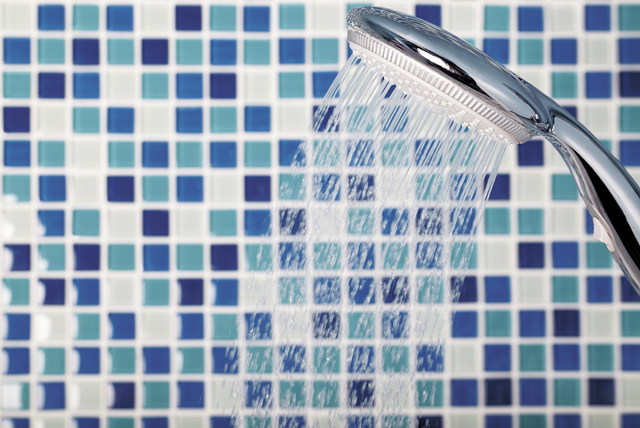
#3. Collect shower water while waiting for it to warm, using a bucket so this clear water may be used later for washing, flushing or watering the plants.
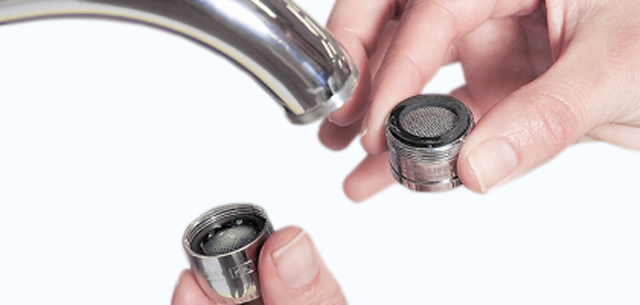
#4. Apply flow reducers on taps and showers, or opt for taps and showers with this incorporated function which, by mixing air and water, allow maintaining the pressure and reducing water flow and energy consumption over 50%, thereby increasing their effectiveness. In a 5 minutes shower, instead of 80 liters of water you may use only 30 liters.
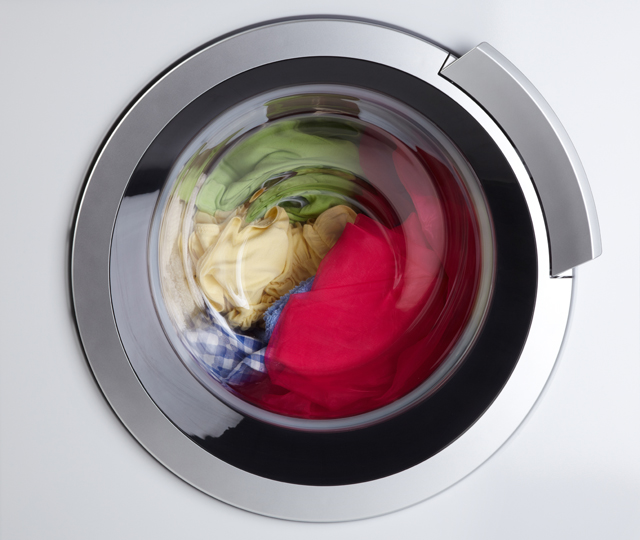
#5. Use the washing machine only with a full load, reducing the number of washes. A washing machine with a capacity of 5 kg can consume on average between 40 to 90 liters per wash. In addition to saving water, you will save energy and detergent, further minimizing environmental impact. Hand wash isolated or sparse clothes and then you may reuse this water for other washings or toilet flushing.
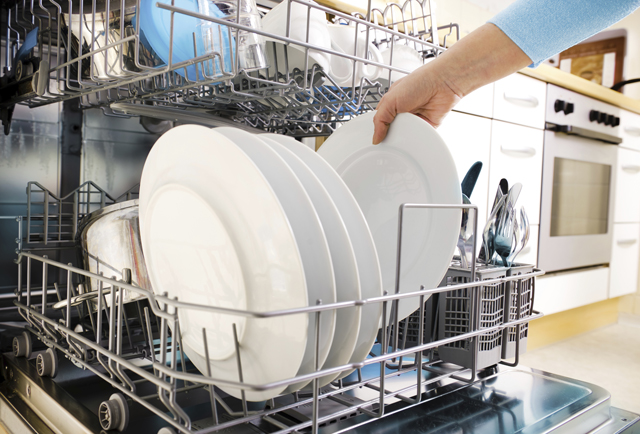
#6. Wash your dishes on the dishwasher or use a bowl, instead of the traditional method of using running water. A dishwasher consumes on average 15 to 30 liters of water per wash, representing a far lower consumption of water required to wash the same amount of dishes by hand. Clean the dishes with a piece of paper before washing and put them in the dishwasher or hand wash only once or twice a day, instead of piece by piece. Again, in addition to saving water you will be saving energy and detergent.
#7. Reduce flush water by placing a full bottle inside the tank. On average, each toilet flushing consumes between 7 and 15 liters of water. By placing a filled bottle inside the toilet tank, you will reduce the amount of water on each flush. If you go for the new dual system flush toilets, of 3 and 6 liters, you can reduce water consumption even more effectively.
#8. Repair or replace dripping pipes or taps. Leaking water from pipes or taps in poor condition result, in medium or long term, in large amounts of wasted water. A tap dripping in every 5 seconds represents a waste of 3 liters of water per day, over 1000 liters after one year.
#9. Whenever possible, use only a broom to clean your patio, terrace or deck. Avoid hose washes by using a mop and bucket instead. When using a hose for 10 minutes to wash your terrace you can waste nearly 200 liters of water.
#10. Wash your car with bucket and sponge, instead of using a hose, avoiding waste large amounts of water. A 30 minutes wash with a hose can easily exceed 500 liters of water.
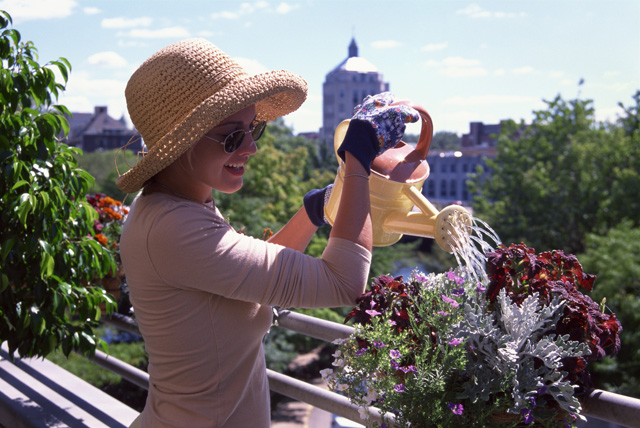
#11. Water your plants with a watering can instead of using a hose, since plants absorb only small amounts of water each time, using water more efficiently. Water plants preferably in the morning, avoiding the peak solar hours that will cause most of the water to evaporate, and thereby wasting it.
#12. Regularly monitor your water consumption, through a regular analysis of your water bills and meter, so you can detect any irregularities or substantial increases, preventing and correcting any misbehavior that may result in excess consumption.