


The architecture of the Curve
From Niemeyer to Zaha Hadid

|
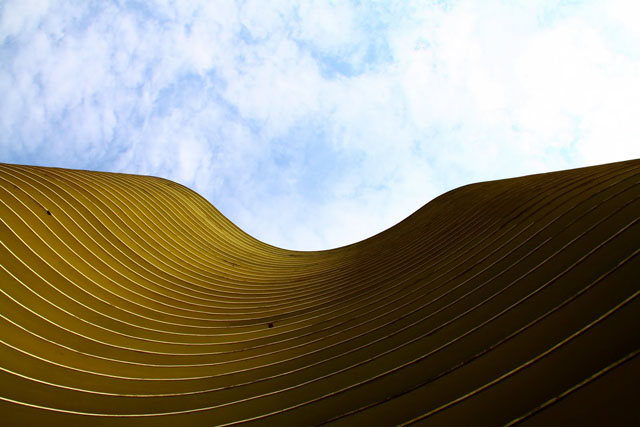
Niemeyer Building, Belo Horizonte (Brasil) | Photo © Gustavo Felizardo
“It is not the right angle that attracts me, nor the straight line, hard and inflexible, created by man. What attracts me is the free and sensual curve, the curve that I find in the mountains of my country, in the sinuous course of its rivers, in the body of the beloved woman. The universe is made out of curves, the curved universe of Einstein.” Óscar Niemeyer
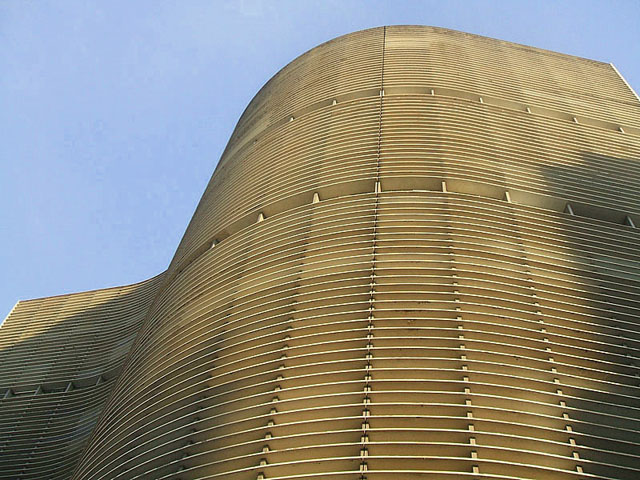
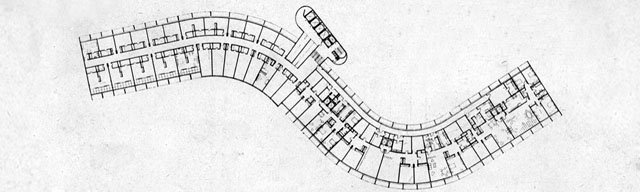
Copan Building, São Paulo (Brasil) | Oscar Niemeyer | Images via wikimapia
The curved line has always had a secondary role in architecture and was the invention of reinforced concrete in the twentieth century that it gained a new position in designing the buildings that surround us. The main driver of this new reality was Oscar Niemeyer, who dominated the curved line like anyone, assigning it a strong relationship with the most beautiful images that inspired him.
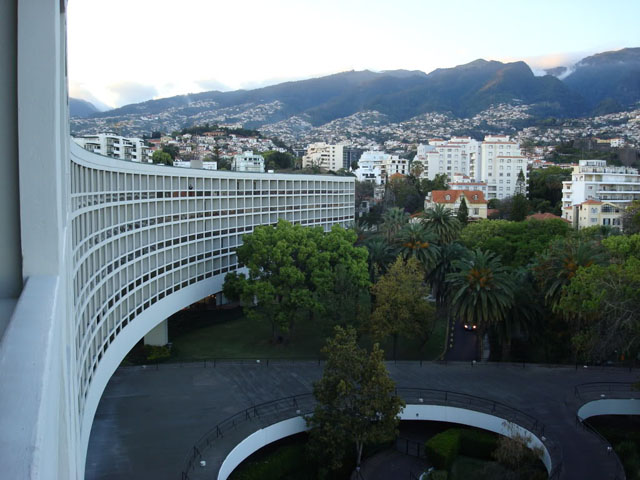
Pestana Hotel, Funhal, Madeira (Portugal) | Oscar Niemeyer | Image via skyscrapercity
The beauty of Brazilian modernist curved design is indisputable, and has marked the history of twentieth century architecture, opening the way to new challenges posed by the complexity of its construction, with the introduction of new materials.
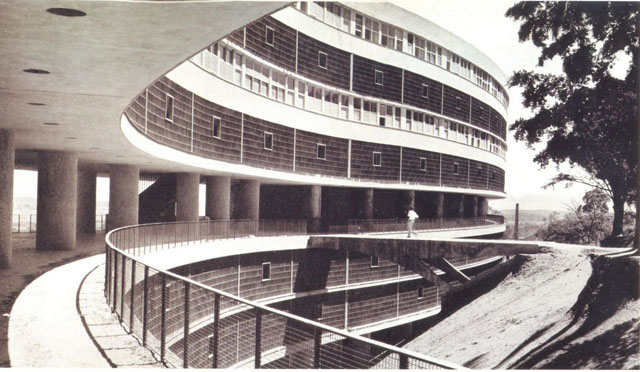
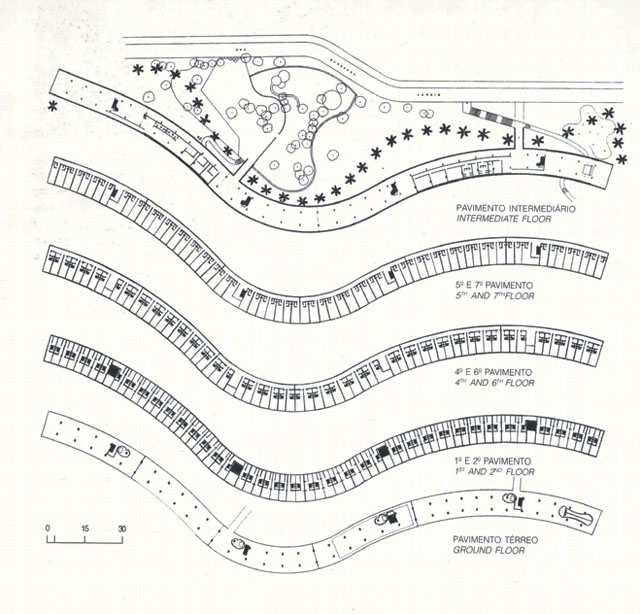
Pedregulho Building, Rio de Janeiro (Brasil) | Affonso Reidy | Images via archdaily
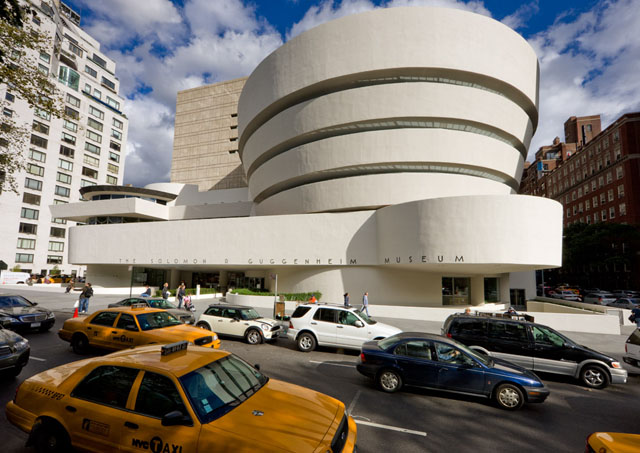
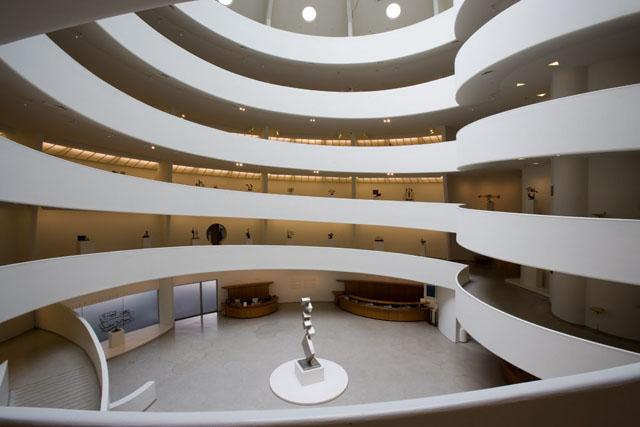
Guggenhiem Museum, New York (U.S.A.) | Frank Lloyd Wright | Images via Guggenheim
The curved shapes were the starting point for Frank Lloyd Wright to design the mythical Guggenheim Museum in New York. The entire building is influenced by pure and organic shapes, being the circle and cylinder the most commonly used ones. These elements are present from the museum spatiality to its details.
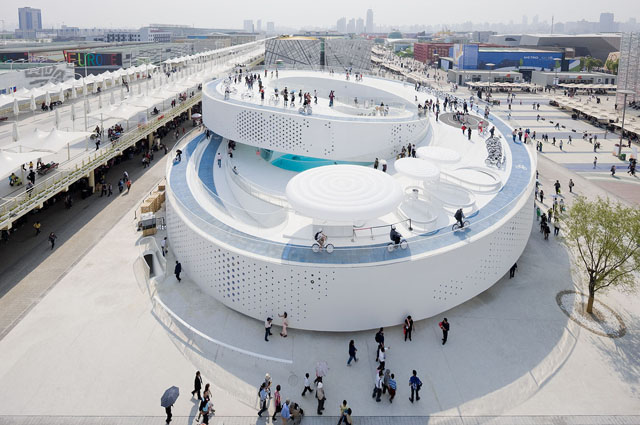
Denmark Pavilion Expo 2010, Shanghai (China) | BIG - Bjarke Ingels Group | Photo © Iwan Baan
The Danish Pavilion in Shanghai’s 2010 exhibition was designed according to the same logic of a ramp, but this one continuous, pedestrian and cyclable, allowing to visit the exhibition on foot or by bicycle, which is one of the great symbols of the country.
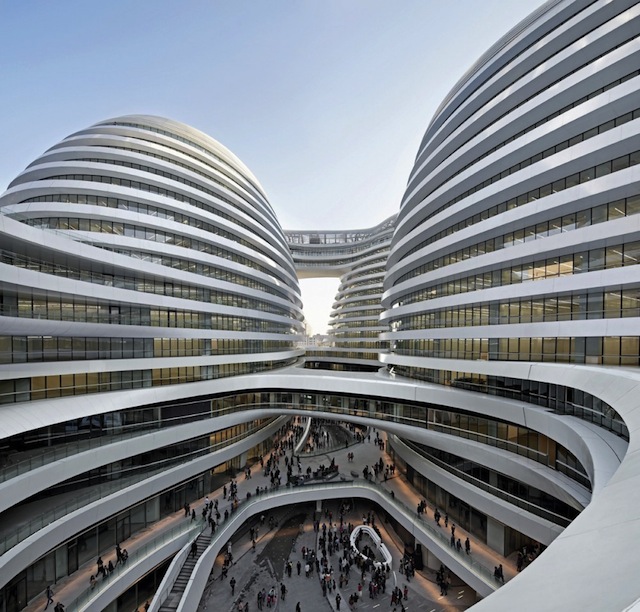
Galaxy Soho, Beijing (China) | Zaha Hadid | Photo © Hufton + Crow
The Iraqi Zaha Hadid is well known for her organic architecture with a dynamic and apparently uncontrolled design. All her buildings are recognized by the energy they reflect, due to the "movement" of its shapes.
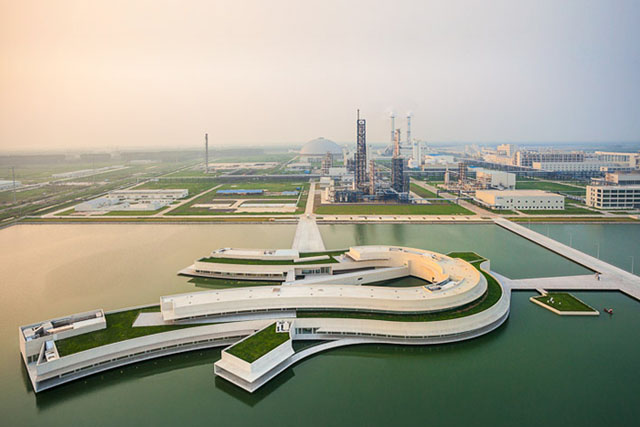
Shihlien Chemical Industrial, Jiangsu (China) | Siza Vieira and Carlos Castanheira | Photo © Fernando Guerra
Álvaro Siza Vieira is not usually in this log, but dazzled his followers with this new organic shaped building in an artificial lake in China. A large-scale, curved and low building, contrasting with its surroundings based on an orthogonal layout.
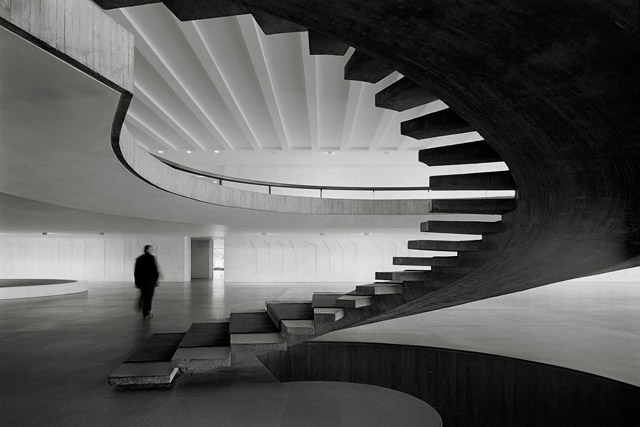
Itamaraty Palace, Brasilia (Brasil) | Oscar Niemeyer | Photo © Cristiano Mascaro
Circular stairs are very stylish elements that make the difference into any space acting as a sculpture for vertical communication.