


The mystique of Alvar Aalto
The human side of the architectImages: Nuno Ladeiro

|

“Something we use every day should fit the human being in every sense” Alvar Aalto, 1967
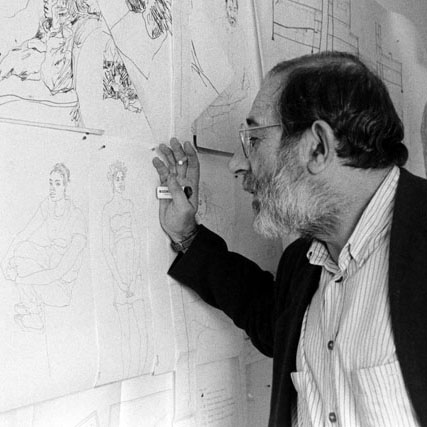
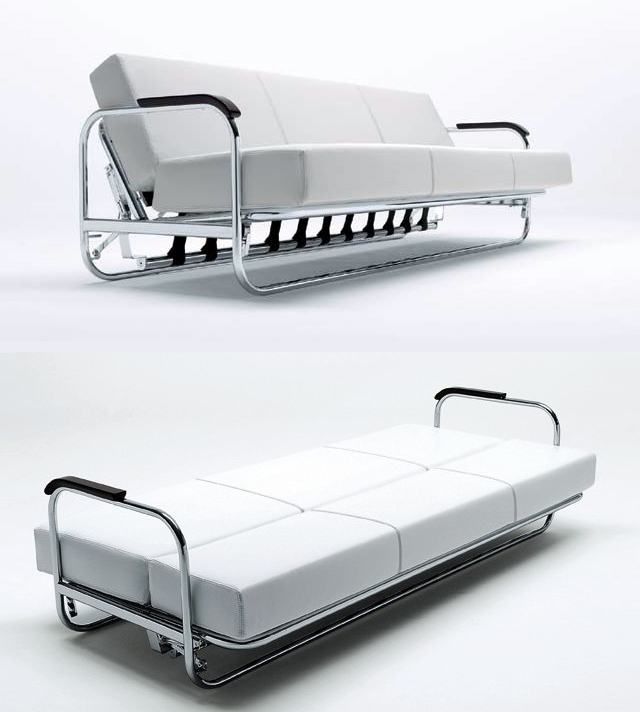
It has been over 70 years since Alvar Aalto created the famous vases whose undulating forms evoke the lakes from his country. But this inspiration in his homeland also extended to other areas of design. Alvar Aalto had an overarching concept of architecture as a way of life. So, besides designing buildings, he designed its furniture, lighting and up to the smallest details. Among his vast production as a designer we highlight here his vases and his sofa bed AA1, designed in 1932, edited by Italian brand MisuraEmme.
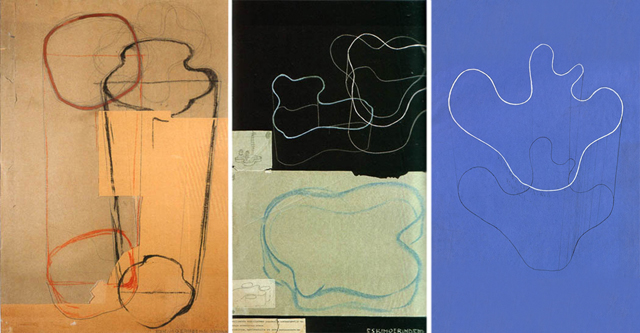
In 1939, Alvar Aalto had the idea to create a weekly newspaper entitled "The human side". According to him, it would have worldwide distribution, and international experts would discuss relevant issues in those troubled times, such as the construction of humanism. World War II would prevent its implementation, but the idea remained. In 2006, under the pretext of the 70th anniversary of the famous Aalto vase, the Finnish brand Iittala resumed this idea and suggested a formal and creative debate around the undulating forms of this mystical object.
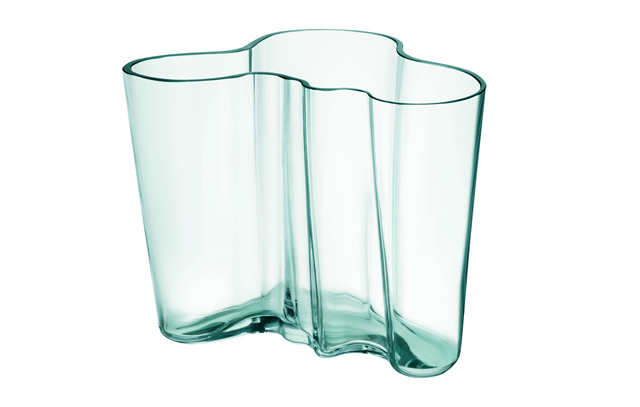
These vases were created in 1936 and presented the following year at the International Fair of Paris, with fluid and organic forms, delighted the public by their versatility of use and by the unexpected effect. This innovative humanized design concept was a huge success and still amazes for its originality and boldness. Its production is still carried out in accordance with the unique features with manual glass quality and specialized use of technology.
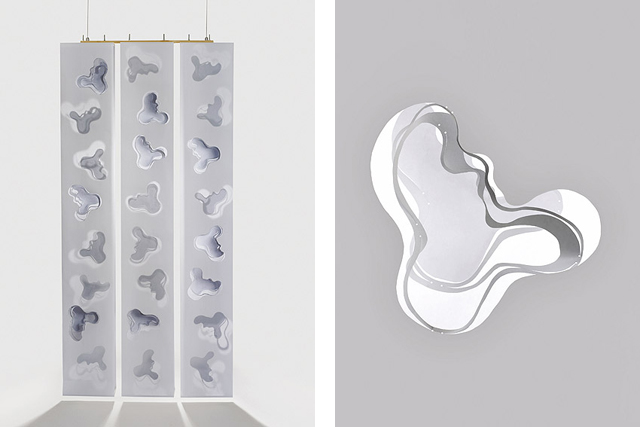
However in addition to these and other productions of Alvar Aalto works, which remain in many cases in the same factories that were originally chosen by the author, from the imagination of several designers of different nationalities, internationally emerge pieces as amazing as the Aalto vases. The Japanese designer Azumi Tamoko for example, created a screen inspired by the curves of this mysterious vase also known as Savoy (for being in this hotel chain that was used for the first time). Designed on paper, it accentuates the jagged lines on the surface which appear to be floating, according to the author, representing a dialogue between East and West.
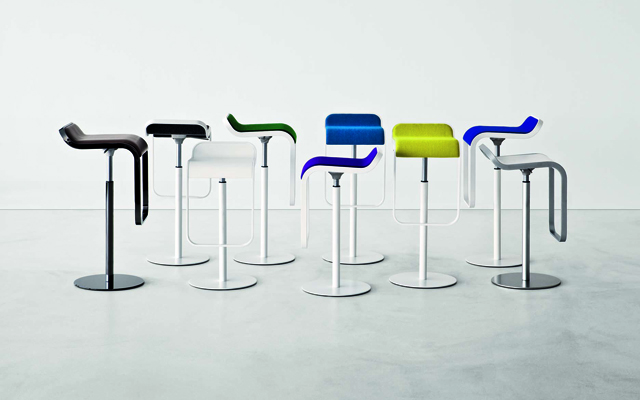
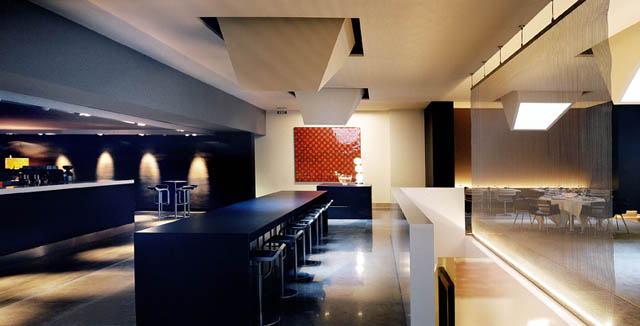
In 2000, Shin and Tomoko Azumi, created a stool for the Italian brand La Palma inspired by the organic forms of Alvar Aalto which became an international icon. Probably, in many bars, restaurants and receptions all over the world, you can enjoy the simple, minimalist design and organic look of the Lem stool.
About Alvar Aalto
Hugo Alvar Henrik Aalto was born on 3 February 1898, in Kuortane. Graduated as an architect in 1921 from the Technological Institute of Helsinki, in 1923 he settles in Jyvaskyla, working from as early as 1924 with Aino Marsio, his wife and partner. In 1927, he moved to Turku, where he remained until 1923, when he returned to Helsinki. In 1935 he creates Artek, the firm that would become famous for the production of furniture and design pieces. Immediately became famous, but Aalto would have some bitter mouth, that would make him recognize that "no one is a prophet in his own land." He was president of the Finnish Association of Architects from 1943 - 1958 (being its honorary member since), and spent two years as a teacher in the U.S. (1946-1948, Massachusetts Institute of Technology). Widowed in 1949, he married again in 1952 with Elissa Mäkiniemi. He was a member and later President (1963-68) of the Finnish Academy, since 1955, and died May 11, 1976, leaving a remarkable corpus, both in architecture and in design.