


Beach Houses
A small guide about your summer abode

|
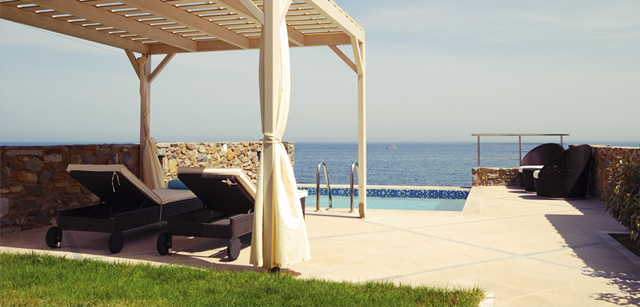
We work all year round closed up in front of screens, always with a dream in a corner of our minds about a time with less responsibilities and, maybe, a hint of sunshine.
When summer comes we want to create memories, value each and every moment, take the time to relax by yourself or our loved ones. The beach shines the brightest when we're looking for sunbathed rest and fun times!
The beach sometimes seems too far off, sometimes it is, but in these times of worked up urban living there's always time to look back at the sea and contemplate nature itself.
The stunning views of the ocean make us forget our worries, soothing our thoughts about the future, making us smile.
Why not capture that essence with a home next to the beach?
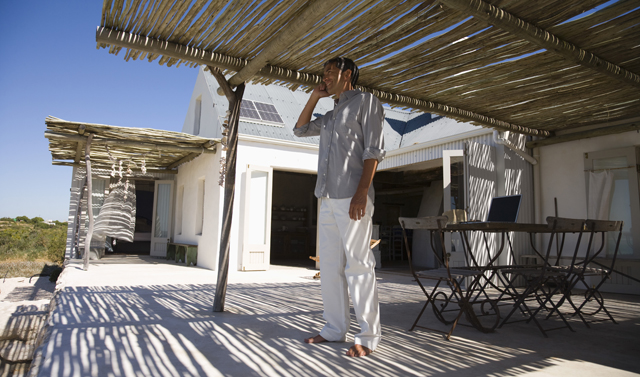
Even though the legislation for beach house constructions are becomming more strict, beach-side developments are still on the rise, with better designs and less maintenence costs.
When we think about beach houses we think about wooden abodes stranded in the middle of the sand but we can't ever forget the work one must have to restore the wooden materials each year to keep it from aging.
The relationship between wood and the beach was never properly explained but maybe the key is in it's simple building processes, it's organic origins or the lack of impact of the construction in the scenery. Most times it's even prohibited to build in any other material.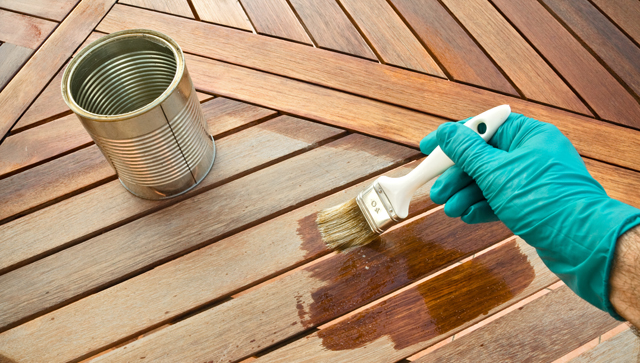
Wood has the characteristic of varying in size along the year. The heat expands it and the cold shrinks it, which damages the wood each year.
One must choose the right kind of wood, the better the quality, the better the adherence of the coverage products. Quality is as important as the species of wood though. Each product behaves differently and must be correctly chosen. Ask a specialist about this choice. Wood with more porosity have better adherence, but it depends.
Also, it's not a good idea to dry out the wood before applying the products on it. It's important to keep the humidity and temperature at ambient levels before waxing, painting or applying a protective coat.
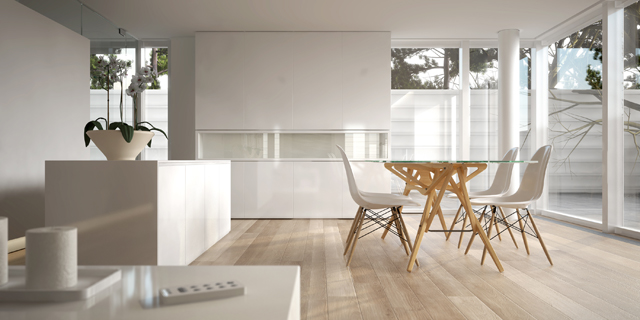
Creating our own summer habitat connects us to the sunlight and the summer breeze to balance out the heat. Bright colors reflect this light, not absorbing it, preventing temperature increases. Lighter colors also enhance the tranquility of the space, granting white, light blue and pastel colors the prime choice for a beach house!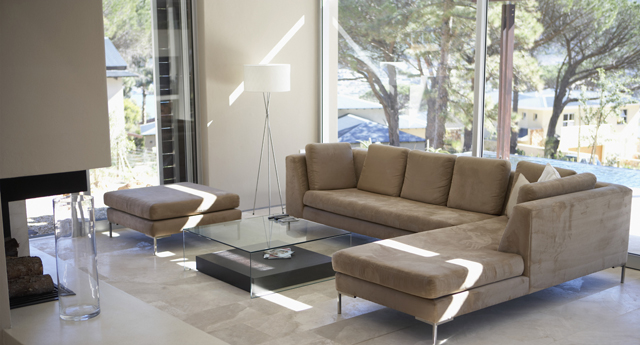
Color is not the only form of temperature control though, open spaces let the breeze and sunlight inside the house.
And as important as the natural lighting getting inside, so is the control of said light with curtains and other proper protection.
Open-spaces are also a great idea for this context. They work better when included in areas with large amounts of sunlight, which enhances it's openess and moderate the heat. It's always important to balance out the dimentions of the house in regards to these factors.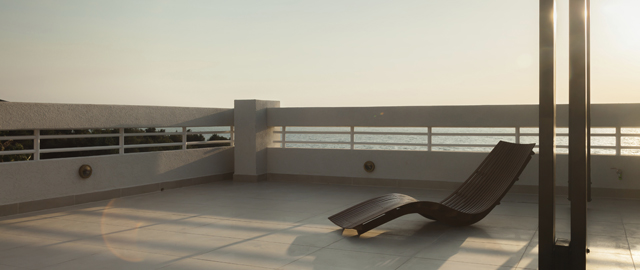
In this context the wide windows, long terraces and balconies are amazing. There are lots of motives for lots of openings - the astounding views and the direct contact with nature, the objective of any beach house. We highly recommend recliners and other simmilar furniture to work out that sun tan. We can barely wait for the next summer and all the opportunities that come with it!