



Remodelling Your Home?
10 easy steps to a perfect result

|

Is your home outdated, barely functional or simply needing a new look? The solution is to remodel! But how to do it and where to start?
Some people begin simply by choosing the furniture or some new finishing, looking for other inspiring examples. However, indecision about what to do with your space may extend for long.
If you are at this stage, follow these 10 steps to achieve a perfect result:
# 1: Get Inspired!
Begin by gathering pictures of what your ideal space would look like, even if its characteristics don’t exactly match your space possibilities.
There are numerous resources available, from magazines, design books and photos, to brand catalogs, websites or blogs.
Compile all information collected into a personalized file, which can be beautiful and organized as a scrapbook, or a computer file folder filled with random images.
The purpose is to define your style!
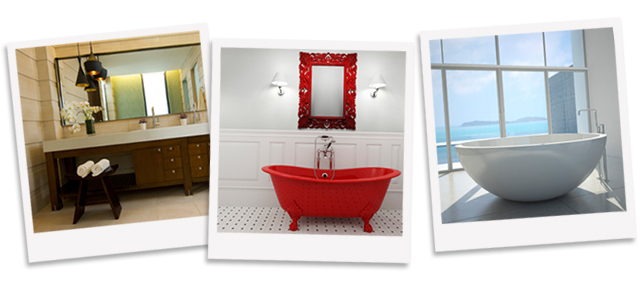
# 2: Discover Your Style
Do you prefer classic, modern, rustic, traditional or a combination of various styles? Do you prefer whites and neutral colors, natural wood, bright colors or pastels? What type of flooring and wall coverings do you prefer? And what about lighting?
Most people find it difficult making these decisions all at once, and it would better not to do so.
Begin by compiling some images you like, even if you don’t realize exactly what you like about them, and concern about such details later.
This way, the deciding process can become easier and fun.
Having professional support from an architect or interior designer in this phase can also bring many benefits, including the development of ideas in solving the major problems about your space, or choosing the most appropriate solutions within your budget.
#3:Develop aPlan for Action
Ready to get started? The best way is through good planning, listing the work you wish to execute, including all materials and manpower needed, so you can get a preliminary budget.
Both may be subject to change, so don’t feel discouraged if initially the obtained values are far from planned.
The list of works and budget are interrelated and can change several times during the planning process as you become more informed on this matter, until you able to reconcile what you want with you can afford.
If you’re not a professional, you’re not supposed to know everything’s cost in advance. Instead, it will be a learning process.

# 4: Look for a Professional
Even if you´re a DIY kind of person, and unless you know how to assemble kitchen cabinets or do your own electrical installation and plumbing, at a certain point you will have to call in a professional. It could be as simple as asking a salesperson to help you choose and order some paint or tiles, but it's something you should count on.
Some people start by visiting department stores and showrooms where it’s possible to see a little of everything, others prefer to ask for references from friends or colleagues. You can also choose to hire an architect or interior designer, or even decide to coordinate all the work on your own, and resort directly to a builder or contractor.
Anyway, it can be a complicated process including many steps that demand some serious detailed planning covering all tasks, from contracts and licenses, spatial planning, budgets, material supply and work management.

# 5: Shaping Your Ideas
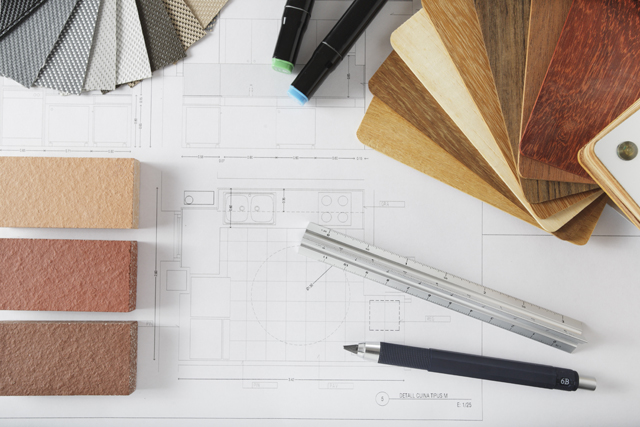
Ideally you should have planning drawings, such as plans and perspectives, which allow you to realize characteristics and dimensions of the space you’re remodeling. This way you could analyze different options for colors, materials and finishings.
You should try to stay focused on the general layout and space plan, even though the temptation is to choose some finishings straight ahead, even because it’s very likely that your choices at this point become somewhat distant from the first options.
Moreover, this planning stage is essential to define the type and amount of works, materials and equipment that will be needed, and establish a preliminary budget.
# 6: Specify Materials and Finishings
At this stage you should prepare a detailed list specifying types and quantities for all materials and equipments needed, that allow you to request approximate estimates for their supply.

#7:Developing YourDesign
Now it’s possible to develop your design and prepare final plans and detail drawings, including electrical and plumbing, locating outlets and switches, lighting and water points.
Depending on the type of works, you may need approval by some local authorities. You should contact your City Council in order to estimate costs of permits and waiting time. In this case, you may need to hire an architect or an engineer to complete this process.
#8:RequestEstimates
In some cases, this step takes place at an early stage, depending on the type of work to be done. You can request preliminary estimates, once materials and schematic drawings are outlined, and get some rough values that will help to realize if you're on the right track or if you need to rethink some decisions in order to fit in budget.
You should ask at least three quotes from different professionals, in order to analyze what’s included and the timings in each proposal, and hire the most suitable one.
# 9: Get ready for the work
Now that the works are about to start, you should confirm the expected dates for beginning and completion of each assignment, checking the compatibility between them when they can occur simultaneously.
Take some time to start packing objects and clothing that you won’t need and to think of solutions while specific works occurs in each room, especially if it includes a kitchen or bathroom.
Most people try to live in their houses during construction, in this case preparation and organization can save your sanity. However it could be wise to consider getting out temporarily.
There are some key questions you should define in advance with the contractors. Do you meet once a week for reviews? Will you have to move in order to perform some work such as replacing the roof or the floor? What about debris removal and dust? Are there any allergy issues to regard? What to expect from a typical work day? Clarify all these issues in advance will help to set expectations and ensure smoother adjustments.

# 10: Final Details
Once the work is finished, there is often an annoying list of missing, wrong, or simply forgotten items, such as a missing light switch, a non-working device, a painting flaw or a scratch on the new pavement.
You should make a list of pending tasks, simply by writing an email with all the items that need to be fixed or finished, the responsible person and completion date for each one. This list may be revised, include some changes and additions, and finally sent to the contractors.
Some of them may have to return several times to complete these tasks, so it is best for you to be prepared in advance and have a Zen attitude. Small mistakes happen, and some things get forgotten. It happens to the best.